
Landing Page Design: Digital Marketing Agency (seo, Web Design
By Casa Media House inc Editorial Team · Updated 2026-07-25
High-converting landing pages pair one clear headline with a single primary CTA, built using our Liberty Village Website Design Services, removing every distraction that competes for attention. We build pages around visual hierarchy, trust signals like testimonials and stats, and frictionless forms. Unbounce’s 2024 Conversion Benchmark Report found the cross-industry median landing page conversion rate, confirming focused design drives measurable results.
Key Takeaways
High-converting landing pages share five core traits: clear headline, single primary CTA, and minimal distraction.
A focused page drives one specific user action like signups, demos, or resource downloads effectively.
Effective design combines striking visuals, custom photography, animation, and negative space to guide conversions.
Businesses boost marketing results by eliminating distractions and maintaining single conversion goals per page.
High-converting landing pages share five core traits: clear headline, single primary CTA, and minimal distraction.
A focused page drives one specific user action like signups, demos, or resource downloads effectively.
Effective design combines striking visuals, custom photography, animation, and negative space to guide conversions.
Businesses boost marketing results by eliminating distractions and maintaining single conversion goals per page.
What Makes a Landing Page Convert?
Conversion depends on focus, not decoration. A single page built around one specific action outperforms a cluttered page built around many. We treat every project with this principle at the center: strong landing page design removes distraction and keeps the visitor’s attention locked on one outcome, whether that’s a signup, a demo request, or a download.
Five traits separate pages that convert from pages that merely exist. We build every project around this list:
A clear, specific headline that states the offer immediately
One primary call-to-action, never competing buttons
Visual hierarchy that guides the eye toward the action
Trust signals, such as testimonials, client logos, or performance stats
A low-friction form that asks for only what’s necessary
A clear, specific headline that states the offer immediately
One primary call-to-action, never competing buttons
Visual hierarchy that guides the eye toward the action
Trust signals, such as testimonials, client logos, or performance stats
A low-friction form that asks for only what’s necessary
Visual polish matters too. Our Find Your Perfect Match: Web Design Toronto Agency Tips approach to sleek, professional page presentation keeps visitors engaged rather than distracted. A cluttered layout undermines even the strongest offer. Usability and accessible visual layout shape whether a visitor forms a favorable impression within seconds of landing on the page. cite-1
Does design alone drive conversions?
Design alone rarely closes the deal. Strong visuals earn attention, but structure and clarity earn action. We combine clean aesthetics with a singular focus on one conversion goal, because beauty without direction still loses visitors.
How many actions should a landing page ask for?
One. A page should focus on a single action to maximize conversion rates, avoiding multiple competing actions. We build lead generation pages around a single, unmistakable next step, then remove every element that doesn’t support it.
Strong landing page UX ties these elements together: fast comprehension, obvious action, and zero friction between interest and conversion.

Why Does Landing Page UX Determine Conversion Rate?
Conversion rate rises or falls based on how visitors experience a page in the browser, not how a mockup looks in a design file. Poor navigation on a phone screen drives prospects away before an offer even loads, wasting every dollar spent to get them there. That reality places user experience at the center of any serious landing page design effort, especially for teams building lead generation pages meant to convert on the first visit.
We treat responsive performance as non-negotiable. A page must function correctly across desktop, tablet, and mobile devices, with layout, load speed, and readability holding steady on every screen size. Skip this step, and a campaign bleeds traffic to friction rather than converting it.
Does sending ad traffic to a homepage hurt conversions?
Yes. Homepages serve many goals at once, which dilutes focus and confuses visitors arriving from a specific ad. A dedicated landing page keeps one offer, one message, and one action in view, and that single-mindedness is a core principle of strong landing page ux.
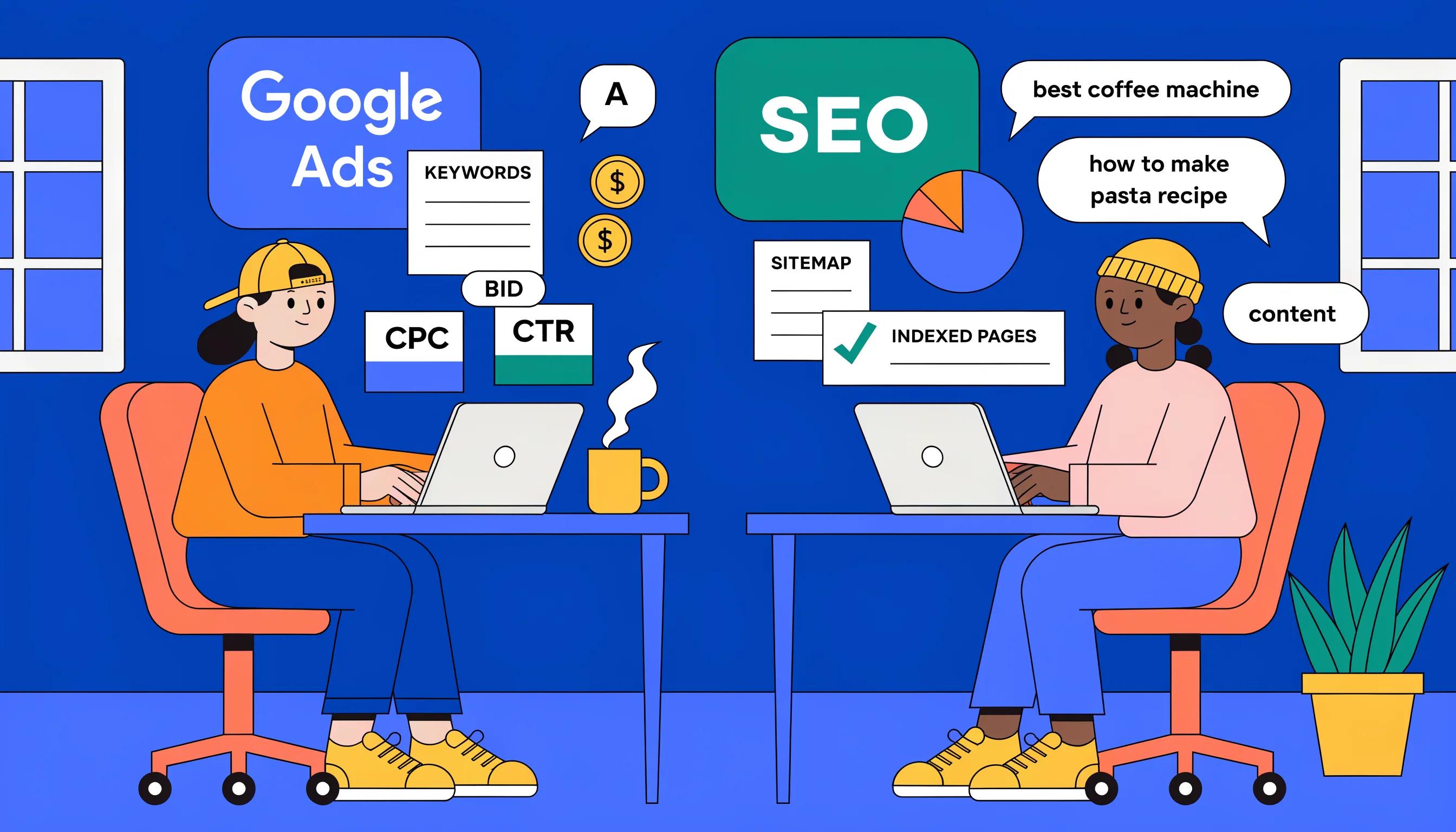
Structural discipline pays off in other ways too. Building SEO best practices directly into page architecture strengthens organic visibility while pulling in an audience already primed for the offer.
What’s the real cost of weak landing page UX?
Wasted ad spend. Return on investment follows page quality directly: strong pages multiply the value of every click. Poor ones burn budget on visitors who never convert. We build with that math in mind:
Speed and responsiveness across every device
Single-purpose pages separated from general site navigation
SEO-aligned structure that attracts qualified visitors
Speed and responsiveness across every device
Single-purpose pages separated from general site navigation
SEO-aligned structure that attracts qualified visitors
Get these fundamentals right, and conversion becomes predictable rather than accidental.

How Do You Structure Lead Generation Pages That Convert?
Structure follows research, not guesswork. We start every build by assessing the existing site, current listings, and the competitive field to spot gaps worth exploiting. That audit tells us where a page is losing visitors before we write a single headline.
From there, keyword selection shapes the page itself. We identify high-converting, low-competition terms tied directly to business goals, then build the offer and headline around what those terms reveal about visitor intent. This is where landing page design starts to diverge from generic web copy. Every element earns its place by supporting one target action.
What makes landing page structure different from a homepage?
A homepage invites exploration; a lead generation page does not. Lead generation pages exist to push visitors toward a single conversion goal, whether that’s a form fill, a call, or a booking. Removing open-ended navigation keeps attention locked on that one outcome.
Which technical elements support a well-structured page?
Architecture, metadata, and headers all need attention for search engines and human readers alike. We treat these as inseparable from landing page UX — a page that crawls well but confuses visitors still fails.
A structurally sound page typically includes:
A headline informed by validated, high-intent keywords
Metadata and headers optimized for search visibility
Clear architecture that eliminates competing navigation paths
Content organized around one conversion action, not multiple offers
A headline informed by validated, high-intent keywords
Metadata and headers optimized for search visibility
Clear architecture that eliminates competing navigation paths
Content organized around one conversion action, not multiple offers
Each layer reinforces the next. Keyword research informs the message; architecture and metadata make that message findable; single-goal design makes it convert once visitors arrive.

Which Design Elements Separate High Performers From the Rest?
Trust signals, qualified traffic, and disciplined benchmarking separate top-performing pages from the rest. Weak pages skip these elements and lose visitors before the CTA ever gets a fair chance. Strong landing page design treats every element as evidence, not decoration.
We build systems that generate customer reviews and monitor feedback continuously. That ongoing signal-gathering builds the credibility a cold visitor needs before committing to a form or a call. A page without recent, visible proof asks for trust it hasn’t earned.
Testimonials, customer logos, and performance stats do heavier lifting than most teams assume. These trust markers reduce hesitation at the exact moment a visitor decides whether to act or leave. Cutting them to “simplify” the page usually backfires.
Does traffic quality affect landing page performance?
Traffic quality determines whether a well-designed page even gets tested fairly. Pages built for lead generation pages need PPC campaigns that route qualified visitors straight to the business, not to generic destinations that dilute intent. Mismatched traffic makes even excellent design look ineffective in the reporting.
What conversion rate should a landing page hit?
Benchmarks vary sharply by industry, and treating one number as universal misleads teams. The cross-industry median sits at 6.6%, but industry medians range from 3.8% in SaaS to 12.3% in the top-performing sector. Strong landing page ux narrows that gap through clarity, not volume.
Element
Function
Review systems
Build ongoing trust signals
Testimonials/logos/stats
Reduce visitor hesitation
Qualified PPC traffic
Protects conversion accuracy
Industry benchmarking
Sets realistic performance targets
How Should You Test and Optimize After Launch?
Optimization never stops at launch. Performance data collected in the weeks following a page’s debut determines whether landing page design choices actually convert or simply look good. Casa Media House inc reviews analytics on a monthly cycle, tracking scroll depth, form abandonment, and click paths to identify where visitors lose momentum.
Research analyzing more than 57 million conversions across over 41,000 landing pages shapes the benchmarks we test against. Those figures give small teams a real reference point instead of guesswork. We compare each client’s numbers against that broader dataset before recommending changes.
What Should a Monthly Optimization Review Include?
A disciplined review covers more than traffic totals. We examine:
Conversion rate by traffic source, to catch underperforming channels early
Heatmap and session recordings, revealing friction points in landing page UX
Form completion rates on lead generation pages, isolated from overall page traffic
Local visibility signals, including reviews and engagement data tied to online presence
Conversion rate by traffic source, to catch underperforming channels early
Heatmap and session recordings, revealing friction points in landing page UX
Form completion rates on lead generation pages, isolated from overall page traffic
Local visibility signals, including reviews and engagement data tied to online presence
Why Does Team Size Matter for Ongoing Optimization?
Smaller teams often deliver more consistent testing than large agency pools. With three employees, Casa Media House inc keeps optimization work hands-on rather than routed through rotating account managers. Continuity matters here: the same people who built the page also monitor it, month after month, and adjust based on what the data actually shows rather than a templated playbook.
Core Principles of High-Converting Landing Pages
What makes a landing page convert?
Focus, not decoration, drives conversions. Casa Media House builds pages around a clear headline, one primary CTA, visual hierarchy, trust signals, and a low-friction form.
Does design alone drive conversions?
No, design alone rarely closes the deal. Strong visuals earn attention, but structure and clarity earn action, combining clean aesthetics with a singular conversion goal.