

Restaurant Marketing to Fill Slow Nights Without Discounts
A demand system built for local discovery, reservations, and repeat visits without relying on one-off promos.

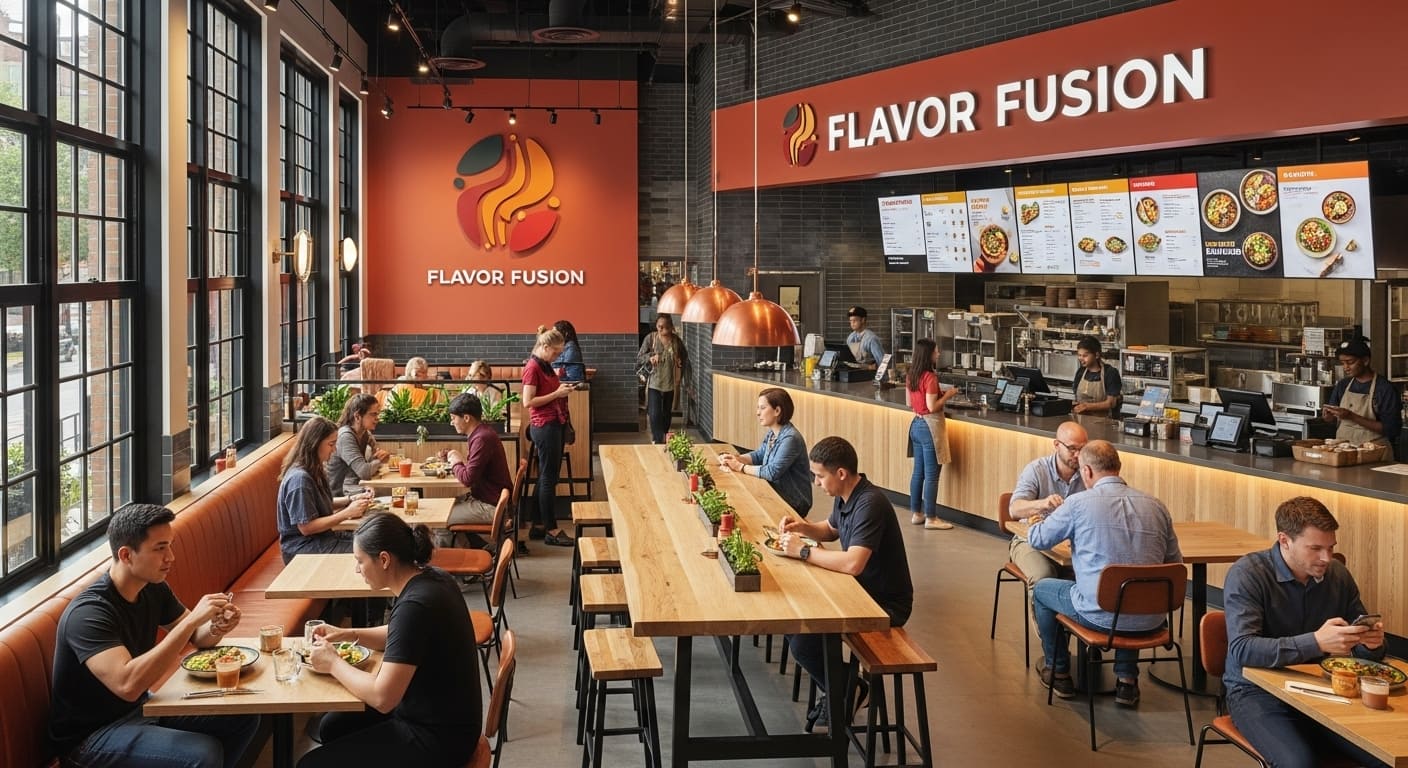

If your restaurant is busy on the “obvious” nights but unpredictable the rest of the week, you’re not alone. Most restaurants don’t struggle because the food isn’t good. They struggle because demand isn’t consistent.
You can run promotions, post on Instagram, and list your business everywhere and still feel like you’re guessing. That’s usually the moment owners start searching for restaurant marketing and restaurant marketing agency. They want a plan that drives measurable outcomes: more covers, more repeat guests, and more profitable orders—without relying on constant discounts.
CASA Media House helps restaurants across Canada, the United States, and beyond build marketing systems designed around how diners actually choose: local search, social proof, and “easy yes” conversion paths.
What restaurant marketing needs to do (in practical terms)
Restaurant marketing isn’t one channel. It’s a chain of decisions:
Discovery: someone finds you (Google Maps, search, social, recommendations)
Trust: they believe it’s worth their time and money (reviews, photos, vibe)
Relevance: they confirm you fit the moment (menu, pricing cues, dietary options, hours)
Conversion: they book, walk in, or order with minimal friction
Return: they come back (or tell someone else)
If any of these steps breaks, you’ll feel it as empty tables on the wrong nights.

Why slow nights stay slow
Most restaurants try to fix demand with more posting or bigger promos. The deeper issues are usually:
You’re not consistently visible in local “near me” searches
Your Google Business Profile isn’t doing enough work for you
Your website or reservation path creates friction
Your content isn’t built as a system (so it burns out the team)
Your marketing isn’t segmented (everyone gets the same message)
Tracking stops at “likes” instead of bookings and revenue
The goal isn’t to do everything. The goal is to build a repeatable engine.
How CASA Media House Builds Restaurant Marketing That’s Steady
Step 1: Start with a demand goal you can actually measure
Before tactics, we define what “better” means. For restaurants, that’s usually:
More covers on specific slow nights
Higher reservation volume for targeted time windows
More profitable online orders (where delivery is part of the model)
More repeat guests (not just first-timers)
Stronger local visibility for cuisine + neighborhood searches
This matters because “more marketing” is easy to sell. Measurable outcomes are what improve operations.
Step 2: Fix local discovery first (because it’s where diners decide)
A large share of restaurant intent is local. People search in the moment:
“best brunch near me,” “Italian near me,” “patio,” “happy hour,” “gluten-free,” “late night.”
That’s why so much of the SERP ecosystem emphasizes Google Business Profile and local SEO for restaurants.
What we improve for local visibility
Google Business Profile optimization: categories, services/attributes, photos, posts, Q&A
Consistency in business details across the web (so Google trusts your info)
Keyword alignment around “offer + location” searches (what people actually type)
Review momentum: a realistic approach to earning recent, relevant reviews
Local landing pages where needed (neighborhood targeting, catering, private events)
Local isn’t just ranking. It’s also a conversion. A strong profile reduces hesitation.
Step 3: Make conversion frictionless (reservations, calls, and orders)
If someone finds you and likes the vibe, they’ll still bounce if taking action is annoying.
We focus on:
clear primary CTA (reserve, order, call, or book an event)
mobile-first speed and layout
menus that load fast and are easy to scan
consistent hours and holiday updates
structured “what to expect” cues (parking, dietary, group size, atmosphere)
The best restaurant websites don’t feel like brochures. They feel like decision tools.
Step 4: Build content that the team can sustain
Many results emphasize social presence as a must for restaurants.
The problem is consistency. Most teams can’t “create content” like it’s a separate department.
So we build a simple content system that works during real service:
A content plan that doesn’t overwhelm
3–5 repeatable short-form formats (kitchen POV, plated hero, “what’s new,” staff pick, nightly feature)
a weekly shot list that matches your service rhythm
a repurposing plan (one shoot → multiple posts)
caption frameworks that highlight what matters (time windows, specials, reservations, events)
The goal is to make content routine, not a constant scramble.
Step 5: Paid promotion that supports slow nights (without training guests to wait for discounts)
Ads work best when they amplify what already converts—great photos, clear offers, and a compelling reason to visit.
We structure paid campaigns around:
local awareness: reach nearby diners who match your audience
retargeting: people who engaged but didn’t book
event and time-window pushes: happy hour, weekday specials, seasonal menus
private events/catering (if applicable): higher-value lead capture
This is how you fill slow nights without turning your pricing into a race to the bottom.
A phased plan that reduces confusion (SEO vs social vs ads)
Restaurants often get stuck because everything feels urgent. Here’s a practical order of operations:
Phase 1: Local foundation + conversion
Google Business Profile improvements
website/reservation path cleanup
review momentum plan
basic tracking (calls, reservations, clicks)
Phase 2: Content system + steady presence
repeatable short-form formats
weekly cadence and repurposing
“reason to visit” messaging tied to your calendar
Phase 3: Paid support and retargeting
local awareness + retargeting
time-window campaigns for slow nights
scaling what’s working based on results
This approach keeps spend and effort focused instead of scattered.
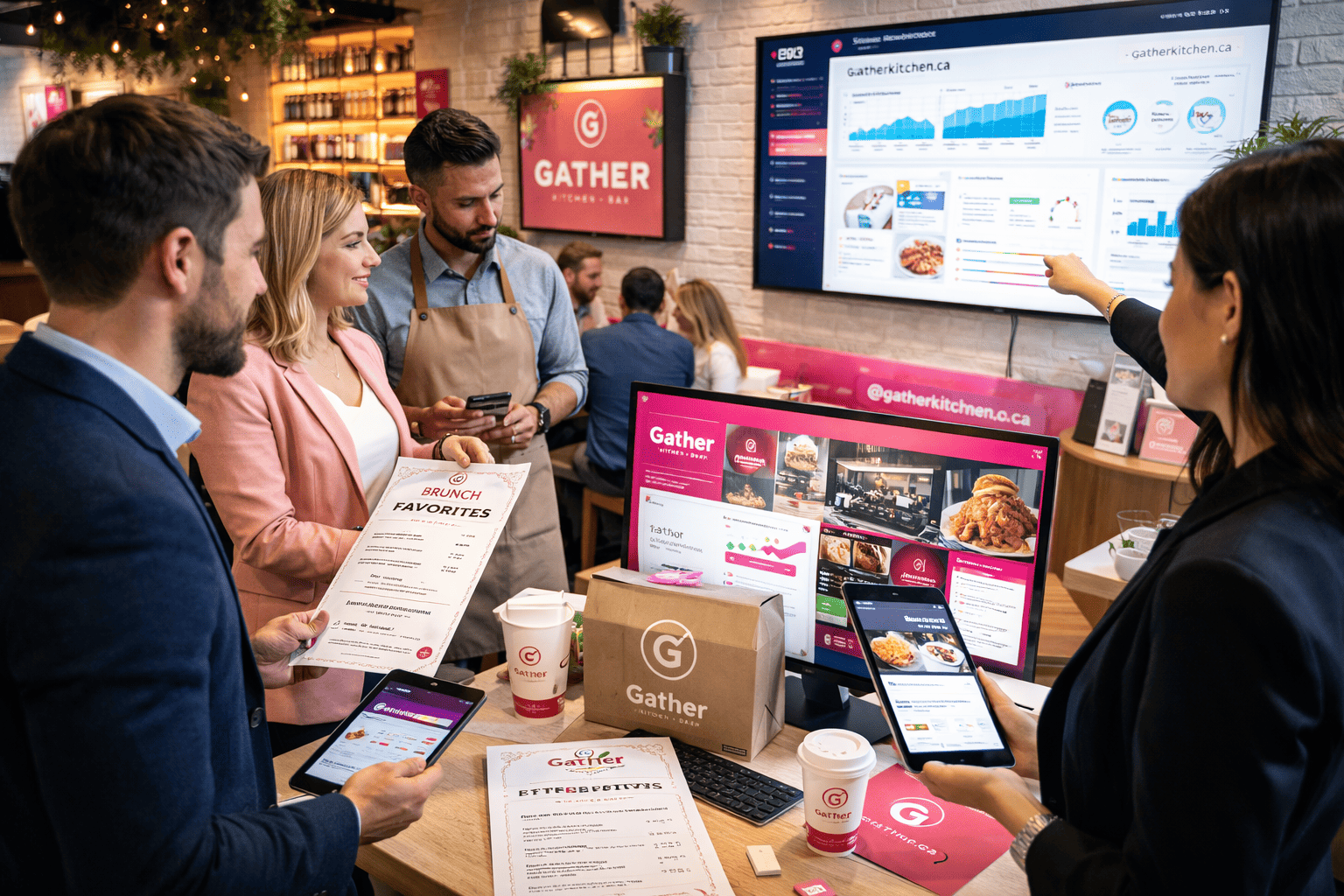
What makes a restaurant marketing agency useful
Most owners don’t need more ideas. They need execution that’s consistent and measurable.
A restaurant marketing agency should help you:
show up in local discovery moments
build trust fast (reviews, photos, clarity)
create content consistently without burning out the team
run paid campaigns that support business goals (slow nights, events, repeat visits)
track results so you know what to do more of
CASA Media House is built for that kind of work: multi-channel execution with practical measurement.
Who this page is for
This restaurant marketing core page is designed for:
independent restaurants and small groups
new concepts that need local discovery fast
restaurants with unpredictable weekday demand
venues promoting events, private dining, or catering
restaurants that want steadier results without constant discounting
FAQs: Restaurant Marketing
Usually: improve local discovery (Google Business Profile), tighten conversion paths, and run a targeted local campaign for specific time windows.
Yes. Social builds awareness. Local SEO captures people who are actively searching nearby right now. The channels support each other.
Time-window messaging, content that highlights reasons to visit (features, experiences), retargeting, and local targeting without training guests to wait for promos.
Calls/reservation clicks, website actions, GBP actions, campaign performance by time window, and repeat signals (email/SMS list growth if you use it).
Next Step: Build a repeatable demand engine for your restaurant
If you want restaurant marketing that helps fill slow nights and stabilize demand, we’ll start by mapping:
your busiest vs slowest time windows
your best-margin menu items and “reasons to visit”
your local discovery footprint (GBP + search presence)
your current booking/order path and friction points
- which channels to prioritize first

Step 5: Paid Ads to Boost Off-Peak Bookings Without Discounts
Share your concept, location(s), and your slow-night goals, and we’ll recommend a practical plan—local visibility, content systems, and targeted promotion—that turns nearby discovery into consistent bookings.