
Unlock Google Ads for Business Growth
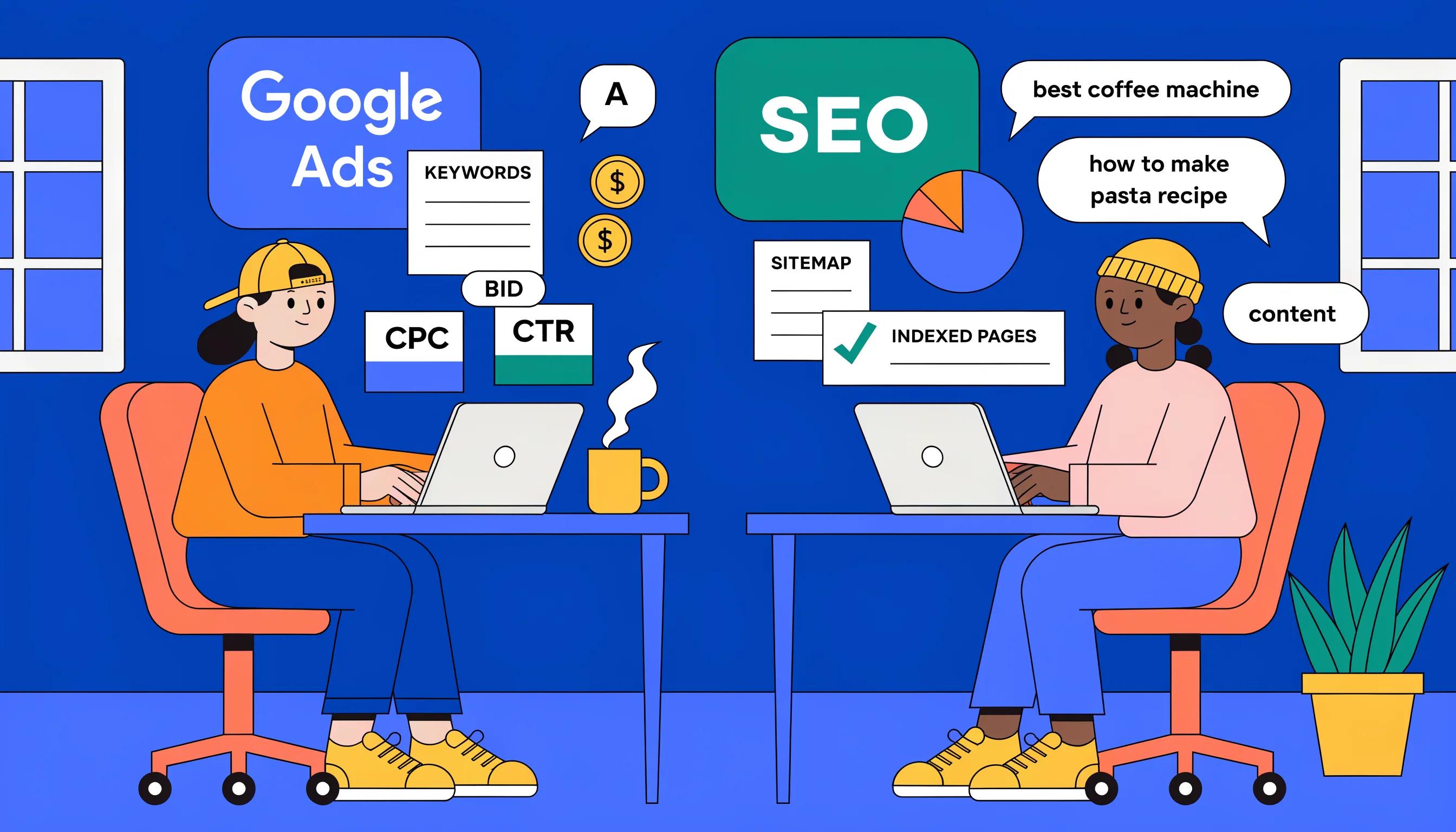
Google Ads is a premier online advertising platform developed by Google, the world’s leading search engine, designed to help businesses of all sizes reach prospective customers with highly targeted ads. Leveraging a sophisticated pay-per-click (PPC) model, advertisers create campaigns that appear prominently in Google search results and across an extensive network of partner sites, including YouTube, Gmail, and millions of websites within the Google Display Network. This platform connects with audiences at decisive moments in their customer journey, significantly increasing conversions and driving measurable business growth. This article provides an authoritative overview of how Google Ads functions, its strategic benefits, and best practices for setup and ongoing optimization based on industry-leading standards and data-driven insights.
Extensive research and industry reports underscore the critical importance of tracking key performance metrics in PPC advertising to maximize return on investment (ROI) and ensure campaign effectiveness.
Google Ads PPC Performance & ROI Analysis
Pay-Per-Click (PPC) advertising is a cornerstone of modern digital marketing, enabling businesses to precisely target potential customers with tailored messaging. This research compares PPC campaign performance on Google Ads versus major social media platforms such as Facebook, Instagram, and LinkedIn. By evaluating essential metrics including click-through rate (CTR), cost-per-click (CPC), conversion rate, and return on ad spend (ROAS), the study provides a comprehensive assessment of each platform’s effectiveness in driving user engagement and maximizing ROI.
Performance Insights from Cross-Platform PPC Advertising: A Case Study on Google and Social Media Campaigns
How Does Google Ads Work to Drive Business Growth?
Google Ads operates through a sophisticated auction system where businesses bid on keywords relevant to their products or services. When users enter those search terms, Google’s algorithm evaluates bids, ad quality, and relevance to determine which ads to display. Effective campaigns depend on targeted settings, comprehensive keyword research, and compelling ad copy that resonates with the intended audience to capture attention and drive meaningful actions such as clicks, leads, or sales.
What Are the Key Features of Google Ads?
Google Ads offers a robust suite of features designed to optimize campaign performance and deliver measurable results:
- Tailored Campaigns : Customize campaigns aligned with specific business objectives such as brand awareness, lead generation, or direct sales conversion.
- Strategic Keyword Research : Utilize advanced tools like Google Keyword Planner and third-party analytics to identify high-intent, relevant search terms that potential customers actively use.
- Compelling Ad Copy : Craft concise, benefit-driven ad copy with clear calls to action that encourage user engagement and improve Quality Score.
- Advanced Audience Targeting : Leverage demographic, geographic, device, and behavioural data to reach the most relevant customer segments.
- Automated Bidding Strategies : Employ machine learning-powered bidding options such as Target CPA, Target ROAS, and Enhanced CPC to optimize spend and maximize conversions.
- Comprehensive Analytics and Reporting : Access real-time data dashboards and integration with Google Analytics for in-depth performance tracking and attribution modelling.
Combined, these features enable precise targeting, efficient budget allocation, and measurable business growth.
How Does Targeted Advertising Increase Business Leads?
Targeted advertising reaches users actively searching for related products or services, significantly improving lead quality and conversion rates. Audience targeting allows advertisers to define customer profiles based on demographics, interests, behaviours, and past interactions. Additionally, advertisers can select specific placements within the Google Display Network and YouTube to boost visibility. A/B testing and multivariate testing enable continuous refinement of ad creatives and messaging to identify the most effective combinations.
Numerous studies and case analyses consistently demonstrate that Google Ads campaigns drive measurable growth in sales, registrations, and other key business metrics.
Google AdWords Effectiveness & Sales Growth
Research indicates that Google AdWords campaigns deliver substantial increases in sales and registrations compared to less targeted marketing channels. In multiple campaigns, paid search ads achieved bounce rates below 30%, indicating strong user engagement and relevance.
Web-analytics and performance evaluation of internet marketing, 2012
What Are the Main Benefits of Google Ads for Businesses?
Google Ads enhances marketing efforts through precise cost control, rapid visibility, and detailed performance tracking, making it an indispensable tool for businesses ranging from startups to multinational corporations.
- Cost-Effectiveness : The pay-per-click model ensures you pay only when users engage with your ads, enabling efficient budget management and minimizing wasted spend.
- Immediate Visibility : Campaigns can be launched quickly, providing near-instant exposure in search results and across Google’s extensive partner network.
- Performance Tracking and Attribution : Built-in analytics and integration with Google Analytics allow for granular tracking of campaign metrics, user behaviour, and conversion paths in real time.
- Scalability and Flexibility : Google Ads supports campaigns of all sizes and budgets, with the ability to scale up or down and adjust targeting dynamically based on market conditions.
- Access to Advanced Technologies : Benefit from Google’s AI and machine learning capabilities that optimize bidding, targeting, and ad delivery for maximum impact.
How Can Google Ads Improve Your Return on Investment?
Precise targeting using relevant keywords, audience demographics, and behavioural data reduces wasted ad spend and increases conversion rates. Continuous campaign optimization, informed by detailed performance data and A/B testing, helps improve ROI over time by refining bids, ad copy, and targeting strategies.
Why Is Google Ads Effective for Both Small and Large Businesses?
Google Ads accommodates a wide range of budgets and marketing goals. Small businesses can run localized campaigns with modest budgets to attract nearby customers, while large enterprises leverage advanced targeting, automation, and scale to reach global audiences. The platform’s flexibility allows any organization to quickly respond to market changes and continuously refine campaign performance.
How Do You Set Up and Optimize a Google Ads Campaign?

A structured approach to campaign setup and optimization is essential for success. Begin with a thorough discovery phase and audit to assess current marketing efforts and identify growth opportunities.
What Are Best Practices for Google Ads Campaign Setup?
Follow these expert-recommended steps:
- Define Your Goals : Establish clear, measurable objectives such as increasing website traffic, generating qualified leads, or boosting online sales.
- Conduct Comprehensive Keyword Research : Use tools like Google Keyword Planner, SEMrush, or Ahrefs to identify high-intent keywords that align with user search behaviour and business offerings.
- Create Compelling Ad Copy : Develop concise, benefit-focused ads with strong calls to action that resonate with your target audience and improve Quality Score.
- Set Up Conversion Tracking : Implement Google Ads conversion tracking and integrate with Google Analytics to measure campaign effectiveness accurately.
- Configure Audience Targeting and Ad Extensions : Utilize demographic targeting, remarketing lists, and ad extensions such as sitelinks, callouts, and structured snippets to enhance ad visibility and engagement.
These foundational steps establish campaigns that are well-positioned to drive sustainable growth.
How Can Campaign Optimization Enhance Performance Tracking?
Leverage data-driven insights to make informed decisions. Real-time reports on CTR, conversion rate, cost per acquisition (CPA), and other key performance indicators (KPIs) enable timely adjustments to bids, ad creatives, and targeting parameters. Employ A/B testing to compare ad variations and continuously improve campaign effectiveness.
What Are the Typical Costs and Budgeting Strategies for Google Ads?
Costs vary based on keyword competition, ad quality, and auction dynamics. Advertisers set bids and daily budgets to control spending and maximize ROI.
How Is Google Ads Pricing Structured?
Google Ads operates on a pay-per-click model, where advertisers typically pay only when users click their ads. The actual cost per click depends on factors such as keyword competitiveness, ad relevance, and Quality Score, which Google uses to reward well-optimized ads with lower costs and better placements.
What Budgeting Tips Maximize Google Ads Effectiveness?
Consider these expert budgeting strategies:
- Set a Clear Budget : Define monthly and campaign-level spending limits aligned with your marketing goals and financial capacity.
- Use Smart Bid Management : Utilize Google’s automated bidding strategies like Target CPA and Target ROAS to optimize bids based on real-time auction data and conversion likelihood.
- Conduct Thorough Keyword Research : Focus on high-performing, relevant keywords with strong commercial intent to maximize conversion potential.
- Monitor and Adjust Regularly : Continuously review campaign performance and reallocate budget to top-performing campaigns and keywords.
These practices help maintain campaign effectiveness and ensure sustainable advertising spend.
Frequently Asked Questions
What types of businesses can benefit from Google Ads?
Google Ads is versatile and benefits a wide range of businesses—from local retailers and service providers to multinational corporations—seeking to increase online visibility, drive website traffic, or generate qualified leads. Industries such as retail, professional services, e-commerce, healthcare, and education frequently leverage Google Ads to reach niche and broad audiences effectively.
How can I measure the success of my Google Ads campaigns?
Success is measured by tracking key performance indicators (KPIs) such as click-through rate (CTR), conversion rate, cost per acquisition (CPA), and return on ad spend (ROAS). Google Ads provides built-in analytics and conversion tracking tools, which can be integrated with Google Analytics for comprehensive measurement of user actions like purchases, sign-ups, and phone calls. Regular analysis enables data-driven campaign adjustments.
What are some common mistakes to avoid when using Google Ads?
Common pitfalls include insufficient keyword research, poorly written ad copy, unclear campaign goals, neglecting negative keyword lists, and lack of ongoing monitoring. Avoiding these mistakes through diligent planning, testing, and optimization helps prevent wasted spend and improves campaign performance.
Can Google Ads help with brand awareness?
Absolutely. Google Ads offers display and video ad formats that extend reach beyond search results, supporting visual storytelling and brand recognition. These formats are effective for building brand awareness, recall, and engagement across diverse audience segments.
How often should I optimize my Google Ads campaigns?
It is recommended to review campaign performance at least weekly, with more frequent analysis for high-traffic or high-budget campaigns. Regular optimization uncovers trends, supports A/B testing, and refines targeting to enhance results continuously.
What is the role of A/B testing in Google Ads?
A/B testing is a critical method for comparing different ad variations to identify those with higher CTRs or conversion rates. By systematically testing headlines, ad copy, images, and calls to action, advertisers can apply winning elements to improve campaign effectiveness incrementally and reduce guesswork.
Leveraging Google Ads for Targeted Growth and ROI
Google Ads is a powerful and authoritative platform that can significantly strengthen your online presence by delivering targeted ads at critical moments in the customer journey. Its advanced cost control mechanisms, rapid visibility, and comprehensive tracking capabilities make it an invaluable tool for businesses of all sizes and industries. By applying industry best practices, leveraging Google’s cutting-edge technologies, and committing to continuous optimization, businesses can improve ROI and achieve sustainable growth. Begin exploring Google Ads today to unlock new opportunities for your business success.