


Voice Search Optimization Toronto
By Casa Media House inc Editorial Team · Updated 2026-08-17
Structured data such as Schema.org markup translates website content into a format voice assistants like Siri, Alexa, and Google Assistant read directly. We implement FAQ, LocalBusiness, and Speakable schema to answer conversational queries accurately, helping search engines and AI engines match our clients’ pages to spoken questions and improving placement in voice-driven results.
Key Takeaways
- Voice search optimization shifts SEO strategy from short keywords to conversational, question-based phrasing patterns.
- Schema markup enables voice assistants like Siri, Alexa, and Google Assistant to parse and recommend content aloud.
- 99% of 10,937 analyzed SEO pages missed critical structured data elements required for voice search ranking.
- Fast mobile pages and machine-readable structured data determine whether voice assistants find and read your content aloud.
Why Is Voice Search Redefining Toronto SEO?
Full questions have replaced short keyword fragments as the default way people search. Users now ask complete, conversational questions through AI engines and voice assistants like Siri, Alexa, and Google Assistant, rather than typing three or four disconnected words. This shift forces a rethink of how Toronto businesses structure content, answer questions, and compete for placement.
Toronto’s business environment moves fast. A static website with an outdated contact page no longer earns visibility, no matter how established the company is offline. Standing still online means losing ground to competitors who adapt their content for how people actually speak and search today.
We built Casa Media House as a Toronto-based digital marketing partner specifically to help local businesses navigate this transition. Our position in the city gives us direct insight into how Toronto search behavior differs from broader national trends. We apply that insight to voice search optimization strategies designed for local relevance.
Why does voice search adoption matter for local businesses?
Adoption keeps climbing across smartphones, smart speakers, and in-car systems, which widens the pool of potential customers reachable through spoken queries. A driver asking a car assistant for the nearest service provider represents a conversion opportunity that traditional keyword targeting often misses.
Businesses that ignore this shift face three compounding risks:
- Lower visibility in AI-generated answer summaries
- Reduced presence on smart speaker responses
- Missed conversions from mobile and in-car searches
We treat voice readiness as a core visibility factor, not an optional add-on, for every Toronto client we support.
What Does Structured Data Do for Voice?
Structured data schema organizes a website’s information into a format search engines interpret with far greater accuracy than plain text alone. Voice assistants depend on that organization to select an answer worth reading aloud. Without it, a business’s most important facts sit buried in paragraphs that machines struggle to parse correctly.
Spoken queries behave differently from typed ones. A typed search might read “Toronto dentist hours.” A spoken query sounds more like “What time does the dentist near me open?” This natural, conversational phrasing forces search engines to work harder unless structured data spells out the answer directly. Properly implemented markup helps engines return more accurate responses to these spoken questions, which raises a business’s odds of being the answer selected.
Why does structured data matter more for voice than for typed search?
Typed search tolerates ambiguity because users scan multiple results. Voice search offers no scroll, no list, often just one spoken answer. That single-answer format makes accurate machine-readable data essential rather than optional.
How do we help clients understand these technical changes?
We explain technical issues, including crawl errors and mobile performance problems, in plain language rather than jargon. That same approach applies when we walk clients through structured data updates. Our SEO consultants believe in empowering clients with clear understanding, not overwhelming them with code-level detail they cannot act on.
- Clarifies business names, hours, and services for machine interpretation
- Supports rich snippets optimization by feeding engines pre-formatted answer content
- Reduces misinterpretation of conversational, natural-language queries
We treat structured data as infrastructure, not decoration. Businesses that skip it leave their answers to guesswork.
Which Schema Markup Types Matter for Voice?
Schema markup gives voice assistants a structured map of a page’s content. That map determines whether an answer engine reads a business’s information aloud. Implementing structured data schema ranks among the most effective methods for preparing content for voice queries. Without it, a site’s content stays invisible to the conversational algorithms powering Siri, Alexa, and Google Assistant. We treat this work as foundational, not optional, in every technical SEO engagement.
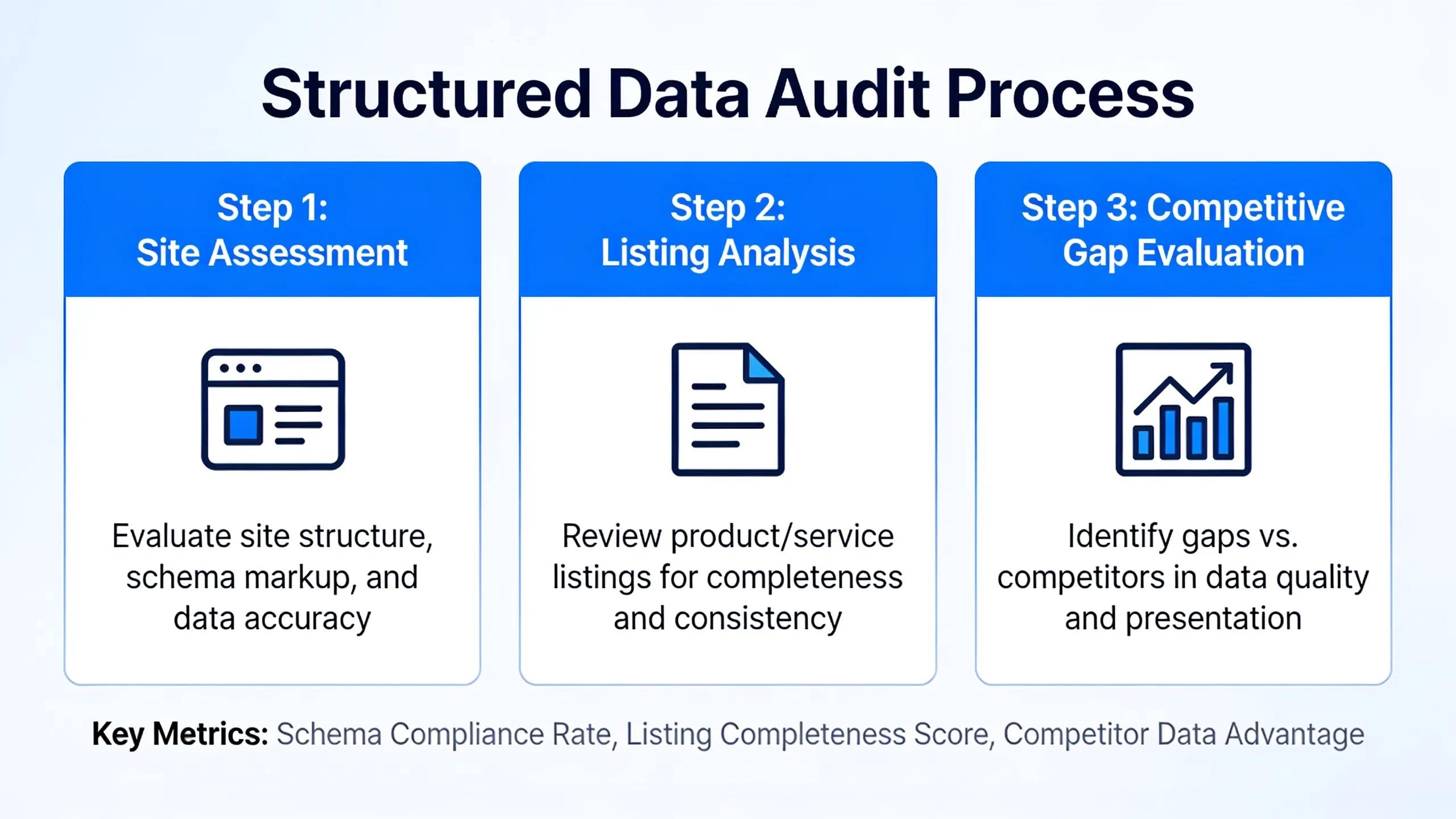
Our process starts with a full audit. We assess a client’s site, existing listings, and competitive landscape to find markup gaps before recommending fixes. That audit reveals where rich snippets optimization can add the most value, whether through FAQ markup, local business schema, or product data. Site architecture, metadata, headers, and content all get evaluated for two audiences at once: human visitors and the crawlers parsing structured data behind the scenes.
Which schema types actually influence voice results?
Certain schema categories carry more weight for spoken answers than others. Marketers focused on voice placement should prioritize:
- LocalBusiness schema — anchors name, address, hours, and service details for location-based queries
- FAQPage schema — matches the question-and-answer format voice assistants prefer to read aloud
- Review and Rating schema — feeds trust signals into conversational recommendations
- Product schema — supports voice-driven shopping and comparison queries
Does a generic SEO plan cover this, or does it need a Toronto-specific approach?
Generic plans miss regional intent signals that shape local voice results. We apply a defined, proven methodology built specifically around the Toronto market, ensuring schema decisions reflect how local audiences actually phrase their requests. That regional calibration separates markup that merely validates from markup that gets read aloud by an assistant.
How Do Rich Snippets Win Voice Answers?
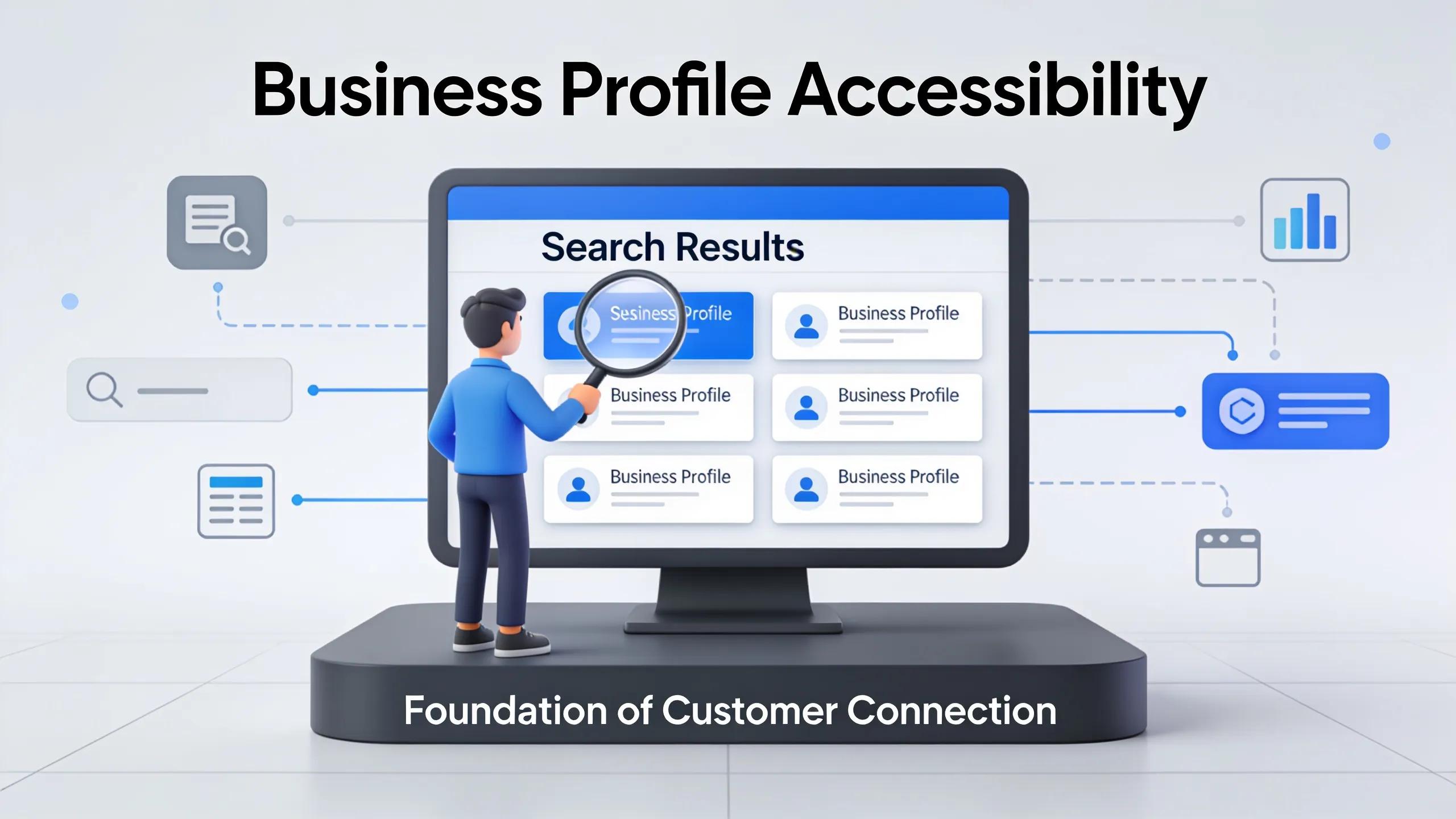
Structured business information wins voice answers when search engines can extract a single, confident fact from a page. Complete profile data — name, address, hours, services. Becomes accessible to searchers typing or asking related questions, and that accessibility forms the foundation for rich snippet optimization. Voice assistants read aloud whichever result answers a question most directly, so the underlying data has to be unambiguous.
We treat business profile accuracy as a ranking asset, not paperwork. A properly maintained profile serves as an important asset for maximizing online visibility. Drawing in more customers, particularly across mobile and voice channels where users skip typing altogether. Weak or outdated profile data gets passed over in favor of competitors with cleaner records.
Our voice search optimization Toronto work layers structured data schema on top of this foundation, formatting content so machines can parse and quote it directly. We prepare website content specifically for conversational, question-based search formats rather than short keyword fragments. Voice queries almost always arrive as full questions.
Does Structured Data Guarantee a Featured Snippet?
No single tag guarantees placement. Schema markup improves the odds by giving search engines a clear, unambiguous fact to quote, but competition and existing content quality still matter.
How Do We Know If Rich Snippets Are Working?
We rely on regular reporting and clear metrics instead of guesswork. Tracking includes:
- Snippet and voice-answer appearances by query
- Profile views and click-through activity
- Changes in visibility after each structured data update
That reporting confirms whether the changes are actually converting into voice placements. And tells us when a listing needs another round of optimization.
What Should Toronto Marketers Do Next?
Priority one: build a technical foundation that search engines and AI engines can parse without guesswork. Recommending a business requires understanding it first. Structured clarity becomes the baseline for any voice search optimization Toronto campaign, not an afterthought. Skip this step, and even strong content gets passed over when assistants scan for a confident answer.
Casa Media House builds that foundation through structured data schema work paired with a collaborative process. We work with clients, not just for them, which means technical decisions get made alongside the people who know the business best. As a compact, three-person Toronto team, we stay close to every schema implementation and every optimization decision, rather than routing work through layers of account managers.
How Should Agencies Prioritize Voice and Local Search Together?
Local relevance and voice readiness reinforce each other. Effective optimization places a business in front of the people most likely to convert within its own neighborhood. That same specificity helps voice assistants match a query to the right local result.
Marketers managing both priorities should:
- Audit existing markup before adding new schema types, avoiding conflicting or duplicate data.
- Prioritize rich snippets optimization for pages already ranking on page one, where incremental gains compound fastest.
- Align local business data across the website, directories, and structured data so every source tells search engines the same story.
- Review conversational, question-based content quarterly, since assistant phrasing shifts as adoption grows.
None of these steps work in isolation. Structured data without local precision confuses intent; local precision without structured data limits how assistants surface it. Toronto marketers who treat both as one integrated project position clients ahead of competitors still optimizing for typed keywords alone.
FAQ
What is structured data and why does it matter for voice search?
Structured data uses Schema.org markup to organize website content into a format voice assistants like Siri, Alexa, and Google Assistant read directly. It helps search engines match pages to spoken, conversational questions instead of short keyword fragments.
Which types of schema does Casa Media House implement?
Casa Media House implements FAQ, LocalBusiness, and Speakable schema to answer conversational queries accurately. This markup helps search and AI engines connect client pages to spoken questions and improves placement in voice-driven results.
Why should Toronto businesses trust Casa Media House with voice search optimization?
Casa Media House is a Toronto, ON-based digital marketing team of 3 employees with direct insight into local search behavior. Their Toronto location shapes voice search strategies built for local relevance rather than broader national trends.
Facts
- Casa Media House inc is located in Toronto, ON, Canada.
- Casa Media House inc has 3 employees.