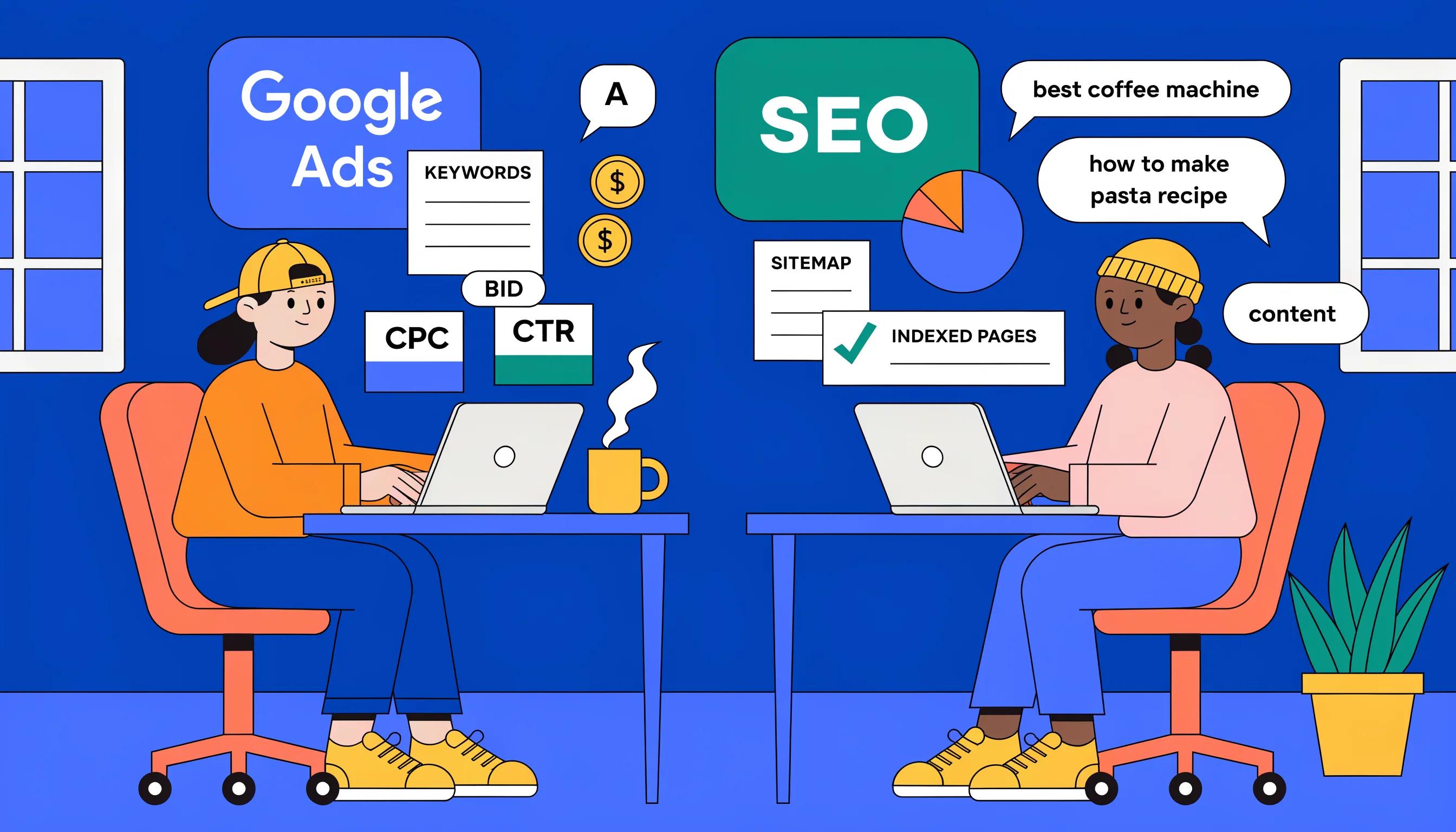


Driving Local Growth Through Strategic Google Ads Management
In the competitive landscape of local business marketing, Google Ads management is a high-impact method for increasing visibility and acquiring customers. This article examines proven strategies for leveraging Google Ads and outlines the advantages of pay-per-click (PPC) advertising for Toronto-based businesses. Readers will learn how to optimize campaign structure, monitor performance, and review real-world outcomes. Many local businesses find it difficult to differentiate themselves in a crowded market; with targeted Google Ads management they can achieve measurable growth and stronger customer engagement. The article covers management strategies, PPC benefits, case studies, budget optimization techniques, and concludes with a call to action for businesses seeking expert assistance.
Strategies for Google Ads Management
Effective Google Ads management relies on a set of targeted tactics designed to improve campaign performance. Key strategies include:
- Targeted Keyword Research: Identifying the right keywords is crucial for reaching the intended audience. This involves analyzing search trends and competitor keywords to select terms that align with business goals.
- Localized Campaigns: Tailoring ads to specific geographic areas ensures that local customers see relevant promotions. This can significantly increase click-through rates and conversions.
- Smart Bid Management: Utilizing automated bidding strategies helps optimize ad spend by adjusting bids based on performance metrics, ensuring that businesses get the most value from their advertising budget.
These tactics provide the foundation for successful Google Ads campaigns and enable businesses to reach their target audiences more effectively.
Benefits of PPC for Toronto Businesses

PPC advertising delivers distinct advantages for local businesses in Toronto and should be an integral element of a digital marketing program. The principal benefits include:
- Increased Visibility: PPC ads appear at the top of search results, ensuring that businesses gain maximum exposure to potential customers actively searching for their products or services.
- Cost-Effectiveness: With PPC, businesses only pay when users click on their ads, allowing for better budget control and a higher return on investment compared to traditional advertising methods.
- Measurable Results: PPC campaigns provide detailed analytics, enabling businesses to track performance metrics such as clicks, conversions, and return on ad spend, facilitating data-driven decision-making.
For businesses seeking to strengthen their online presence, digital marketing solutions such as Google Ads offer measurable value. Casa Media House Inc. specializes in Google Ads management tailored for local businesses in Toronto and the Greater Toronto Area (GTA), helping clients maximize their advertising potential.
Further research highlights the multifaceted advantages of pay-per-click advertising.
Understanding Pay-Per-Click (PPC) Advertising Benefits
Digital marketing is widely used to market products and services efficiently and to support revenue growth. It enables businesses to deliver targeted messages to consumers. Pay-per-click (PPC) is a common form of digital marketing that is recognised for its advantages, while also being subject to criticism related to fraud and operational issues.
A study on Pay-Per-Click advertising, M Agarwal, 2021
Case Studies and Real-World Examples
Examining successful PPC campaigns yields practical insights into effective tactics. Notable examples include:
- Local Service Provider Success: A Toronto-based plumbing company utilized targeted local ads, resulting in a significant increase in service calls within three months.
- E-commerce Success: An online retailer focused on seasonal promotions through PPC, achieving a notable boost in sales during peak shopping periods.
- Restaurant Visibility Increase: A local restaurant implemented geo-targeted ads, leading to a rise in foot traffic and reservations.
These case studies demonstrate the tangible benefits of well-executed PPC campaigns and show how local businesses can achieve growth through strategic advertising.
Budget Optimization Techniques

Optimizing PPC budgets is essential for maximizing the effectiveness of advertising spend. Key techniques include:
- Initial Audit: Conducting a thorough review of existing campaigns helps identify areas for improvement and reallocating budget to high-performing ads.
- Smart Budget Allocation: Distributing budget based on performance metrics ensures that funds are directed towards the most effective campaigns, maximizing ROI.
- Continuous Monitoring: Regularly analyzing campaign performance allows for timely adjustments, ensuring that budgets are optimized for ongoing success.
Each budget optimization strategy delivers distinct benefits through specific mechanisms.
The comparison demonstrates that disciplined budget management can materially enhance PPC campaign performance.
Frequently Asked Questions
What is the difference between PPC and traditional advertising?
PPC (Pay-Per-Click) advertising requires payment only when a user clicks an ad, unlike traditional advertising which typically incurs costs for placement regardless of engagement. This pay-for-performance model delivers tighter budget control and measurable results, enabling clearer assessment of campaign effectiveness. Traditional channels often lack comparable tracking and can produce higher costs without assured returns, which makes PPC a more efficient choice for many local businesses.
How can I measure the success of my Google Ads campaign?
Success measurement for Google Ads requires analysis of key performance indicators such as click-through rate (CTR), conversion rate, and return on ad spend (ROAS). Google Ads supplies detailed analytics to track these metrics over time. Defining specific objectives—for example increasing website traffic or generating qualified leads—allows businesses to evaluate campaign effectiveness. Regular review of these indicators supports data-driven adjustments to optimize performance.
What are some common mistakes to avoid in Google Ads management?
Common mistakes include inadequate keyword research, failure to implement negative keywords, and insufficient campaign monitoring. Businesses also overlook ad copy optimization and precise audience targeting, or set budgets that do not reflect competitive conditions. Avoiding these errors improves campaign efficiency, increases return on investment, and enhances local customer acquisition.
How often should I update my Google Ads campaigns?
Google Ads campaigns should be reviewed and updated on a regular cadence—typically every few weeks or at least monthly—based on performance and market dynamics. Regular updates permit refinement of keyword targeting, bid adjustments, and ad copy refreshes to sustain engagement. Seasonal promotions or shifts in consumer behavior may require more frequent changes. Continuous monitoring and optimization ensure campaigns remain effective and aligned with business objectives.
Can small businesses benefit from Google Ads, and how?
Small businesses can derive significant benefit from Google Ads by improving visibility and attracting local customers. Targeted campaigns enable precise demographic and geographic reach, ensuring ads are shown to users actively searching for relevant products or services. The cost-per-click model allows small businesses to compete with larger competitors without disproportionate spending, making PPC a practical tool for driving growth and engagement.
What role does ad copy play in the success of a PPC campaign?
Ad copy is critical to PPC success because it directly affects click-through rates and conversions. Clear, relevant messaging captures attention and motivates users to act. Copy must communicate the value proposition and include a definitive call to action. Systematic A/B testing of variants identifies the messages that best resonate with the target audience and improves campaign performance and return on investment.
Conclusion
Implementing disciplined Google Ads management can materially enhance visibility and growth for local businesses in Toronto. By applying targeted strategies and leveraging the cost-efficiency of PPC, businesses can obtain measurable results and engage their priority audiences. Organizations prepared to elevate their advertising efforts should consider expert Google Ads management services to accelerate outcomes. Discover how our tailored solutions can support your business to thrive in the competitive digital landscape.